
All Aboard for Wildlife Bingo: Turning Train Windows into Wonder
Packing for Window-Safari Success
Designing Bingo Boards That Celebrate Local Habitats
Observation Games Beyond Bingo
Five-Senses Safari
Invite careful noticing: the rhythmic clack contrasting with river hush, warm sunlight stroking the cheek, faint grassy scents at rural stops, the cool bottle in small hands, the sudden flash of wings across fields. Ask children to describe textures and patterns seen outside, anchoring fleeting moments in language that makes later identification and storytelling richer, clearer, and proudly shared.
Storychain Rangers
Start a rolling tale: a kestrel spots movement, a beaver reinforces a dam, a train passes softly, leaving no litter, only awe. Each person adds two sentences inspired by new sights. The story loops through habitats, modeling empathy for animals and communities, while transforming seconds of observation into narrative arcs children remember long after arrival and unpacking.
Minute-to-Mile Challenges
Set timed mini-missions: in the next three minutes, find two water features, a perched bird, and a human-made structure. Then switch roles—spotter, recorder, and cheer captain. Timers create playful urgency without stress, letting shy kids lead quietly from notebooks while high-energy kids scan horizons. Rotate jobs frequently so everyone shines and discovers personal strengths together.
Science in Motion: Real Ecology from the Rails
Reading Landscapes Like Field Guides
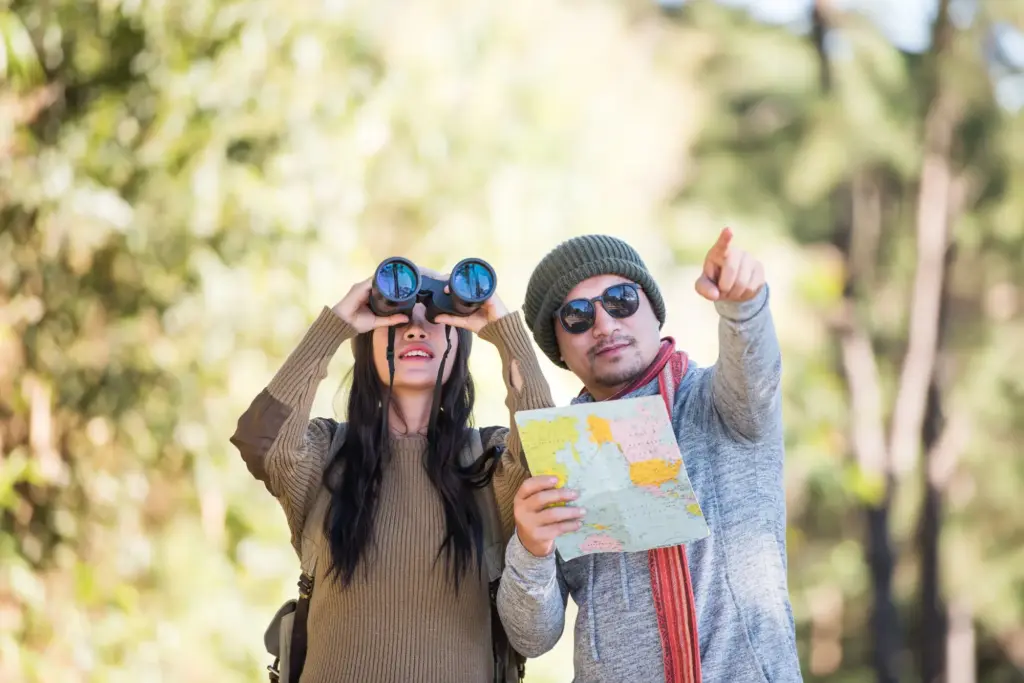
Treat passing views as pages: reeds suggest herons; snags hint at woodpeckers; fence lines offer kestrel perches; hay bales conceal mice, attracting barn owls at twilight. Fast rivers whisper kingfishers near overhanging branches. Children learn to pair structure with life, turning guesswork into evidence-based predictions that feel like magic yet rest solidly on clear, observable, repeatable clues.
Ethics and Safety from the Window
Treat passing views as pages: reeds suggest herons; snags hint at woodpeckers; fence lines offer kestrel perches; hay bales conceal mice, attracting barn owls at twilight. Fast rivers whisper kingfishers near overhanging branches. Children learn to pair structure with life, turning guesswork into evidence-based predictions that feel like magic yet rest solidly on clear, observable, repeatable clues.
Micro-Journaling Data
Treat passing views as pages: reeds suggest herons; snags hint at woodpeckers; fence lines offer kestrel perches; hay bales conceal mice, attracting barn owls at twilight. Fast rivers whisper kingfishers near overhanging branches. Children learn to pair structure with life, turning guesswork into evidence-based predictions that feel like magic yet rest solidly on clear, observable, repeatable clues.
Keeping Energy Positive on Long Routes
Calm-Down Routines between Rounds
Inclusive Scoring That Rewards Curiosity
Snack-Powered Focus
Create a Family Field Report
Compile a one-page summary with a route map, weather notes, three favorite sightings, and a mystery to research. Add drawings, pressed leaf rubbings from station trees, or printed thumbnails. Present it at dinner, letting kids lead. These reports become keepsakes that document growth in observation, vocabulary, and teamwork across journeys, seasons, and wonderfully unpredictable windows on nature.
Community Sightings Exchange
Invite readers to share regional squares that worked, rare glimpses, and funny near-misses where a shadow became a hawk only to reveal a clever kite. Encourage questions, adaptations for sensory needs, and cooperative rules that warmed long rides. Join our updates for new printable boards, age-leveled prompts, and rail-route spotlights shaped by your stories, successes, and experiments.
Plan the Next Rail Adventure
Review what habitats you missed—perhaps wetlands in winter or high meadows in spring. Adjust seat choices, departure times, and board prompts accordingly. Set a collective goal, like hearing cranes or spotting swallows’ first return. Preparation now invests tomorrow’s ride with meaning, ensuring each ticket buys not only travel, but also deeper, shared literacy in the living world.
All Rights Reserved.