
Ride the Glass: Mastering Seats and Views for Wild Moments on Rails
Windows, Curves, and Sightlines: Seeing More Through Smart Positioning
Choosing the Best Bay in a Dome or Observation Car
Pick a bay with unbroken glass and minimal frame intrusion, ideally midway between bogies where vibration is lowest. Favor seats just ahead of the widest curve for longer forward views. If traveling in pairs, sit diagonally across the aisle to expand coverage and quietly signal sightings, letting the other pivot without crossing your lens or blocking fellow passengers.
Upper Deck vs Lower Lounge: Trade-offs for Wildlife Watching
Upper levels deliver sweeping horizons and earlier line‑of‑sight over brush, while lower lounges place you closer to tracks where foxes, ptarmigan, and marmots appear. Choose upstairs for raptors, mountain goats, and distant herds; stay downstairs for embankment action and reduced sway. Balance your priorities and, if allowed, trade mid‑journey when light or wildlife behavior shifts.
Reading the Car Layout Map Before Boarding
Before departure, study the railcar diagram to learn which windows open, which shades lock, and where service doors interrupt visibility. Note restrooms, stairways, and catering zones that create foot traffic and sudden shadows. Mark your preferred rows, then board early, stow bags low, and keep the glazing clear to reduce reflections and preserve everyone’s view.
Left or Right? Using Geography, Sun, and Timetables to Decide
The 3-Second Rule: Scan, Lock, Announce, Share the Find
Smooth Ride Zones: Trucks, Bogies, and Why Row Choice Matters
Framing Wildlife Through Reflections and Curves Without Startling Others
Gear That Helps Without Getting in the Way
Compact Binoculars and Stabilized Options for Shaky Tracks
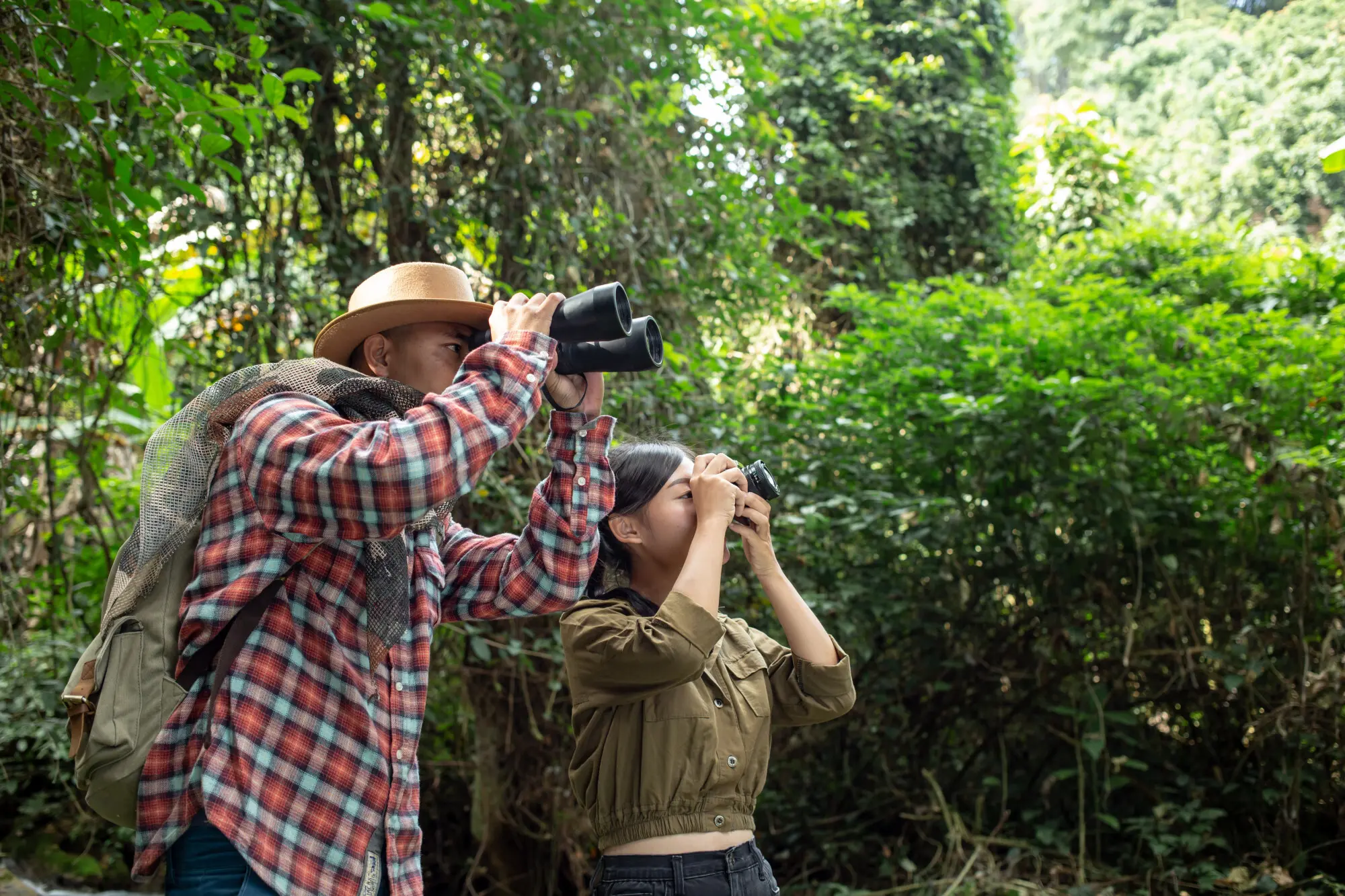
8x or 10x compacts with wide fields help you acquire subjects fast; image stabilization rescues detail when rails chatter. Fit a neck strap short to avoid swinging, and practice passing binoculars hand‑to‑hand. Label lens caps so they return quickly, and set diopters beforehand, freeing precious seconds when antlers flash or a fin surfaces along a tidal reach.
Camera Settings That Survive Tunnels, Shadows, and Sudden Appearances
Use aperture priority with auto‑ISO and a minimum shutter speed tailored to track roughness. Pre‑dial exposure compensation for snowfields or bright water. Back‑button focus prevents hunting through glass; continuous AF helps with panning. Keep a fast prime ready for low light, and rehearse mode switches so you never fumble when a bear explodes from alders beside a culvert.
Stories from the Glass: Field Notes from Scenic Railways
Etiquette, Accessibility, and Shared Joy in a Moving Observatory
Window Manners: Rotations, Kneeling Protocols, and Hands-Off Glass
Inclusive Viewing: Seats, Aisles, and Assistance for Different Needs
Building Community: Sightings Logbooks, Hashtags, and Post-Trip Sharing
Booking Like a Pro: Reservations, Upgrades, and Flexible Plans
All Rights Reserved.