
Ride the Glass: Mastering Seats and Views for Wild Moments on Rails

Today we dive into panoramic rail cars and seat‑selection strategies for optimal wildlife viewing, translating railcar design, light, and route knowledge into unforgettable sightings. From domes to observation lounges, learn how to choose your side, row, and gear, collaborate politely with fellow travelers, and turn fleeting shapes into clear, shared moments. Share your questions, favorite routes, and sightings; subscribe to help us refine seat picks for upcoming journeys.

Windows, Curves, and Sightlines: Seeing More Through Smart Positioning

Panoramic windows promise sweeping views, yet your exact position determines whether antlers hide behind a pillar or an eagle fills the frame. Understand how curved glass, mullion spacing, and chair elevation shape sightlines, reduce blind spots, and soften glare. Sit where your eye meets the center of a pane, angle slightly forward, and coordinate with neighbors to create a rotating lookout that misses less and celebrates more.

Choosing the Best Bay in a Dome or Observation Car

Pick a bay with unbroken glass and minimal frame intrusion, ideally midway between bogies where vibration is lowest. Favor seats just ahead of the widest curve for longer forward views. If traveling in pairs, sit diagonally across the aisle to expand coverage and quietly signal sightings, letting the other pivot without crossing your lens or blocking fellow passengers.

Upper Deck vs Lower Lounge: Trade-offs for Wildlife Watching

Upper levels deliver sweeping horizons and earlier line‑of‑sight over brush, while lower lounges place you closer to tracks where foxes, ptarmigan, and marmots appear. Choose upstairs for raptors, mountain goats, and distant herds; stay downstairs for embankment action and reduced sway. Balance your priorities and, if allowed, trade mid‑journey when light or wildlife behavior shifts.

Reading the Car Layout Map Before Boarding

Before departure, study the railcar diagram to learn which windows open, which shades lock, and where service doors interrupt visibility. Note restrooms, stairways, and catering zones that create foot traffic and sudden shadows. Mark your preferred rows, then board early, stow bags low, and keep the glazing clear to reduce reflections and preserve everyone’s view.

Left or Right? Using Geography, Sun, and Timetables to Decide
Choosing a side begins with maps, not luck. Rivers, estuaries, and migration corridors predict where animals graze, drink, and cross. Next, track the sun: morning glare favors the shaded side, while backlighting silhouettes predators beautifully at dawn and dusk. Consult timetables, elevation profiles, and crew tips, then decide confidently, adjusting if onboard rotation rules offer chances to switch.

The 3-Second Rule: Scan, Lock, Announce, Share the Find

Use three beats: sweep left‑to‑right, lock briefly when contrast pops, then voice a short cue like “bull moose left, deep brush, back of the bend.” Keep language consistent so companions triangulate quickly. After others confirm, release space near the glass and reset your scan cadence to maintain coverage across the car without piling bodies at one pane.

Smooth Ride Zones: Trucks, Bogies, and Why Row Choice Matters

Rows positioned near the center of the car, between bogies, experience reduced yaw and bounce, preserving fine detail when animals are small or distant. Avoid seats above wheels on rough sections. If assigned seating traps you, stabilize with foot placement, seat‑back bracing, and breathing control. A steadier platform yields sharper eyes, steadier binoculars, and kinder etiquette.

Framing Wildlife Through Reflections and Curves Without Startling Others

Curved glass can mirror interior lights and faces, hiding owls and seals behind ghostly duplicates. Wear dark layers, dim personal screens, and create a small hood with a scarf. Twist slightly to capture along the pane’s tangent rather than perpendicular. Communicate gently before leaning, protecting drinks, elbows, and tripods so your framing never startles neighbors or crew.

Gear That Helps Without Getting in the Way

The right tools amplify awareness without dominating the cabin. Choose compact, quiet gear that stays out of aisles and away from glass smudges. Prepare settings for shadows and variable speed so you can move from binoculars to camera instantly. Keep wipes handy, pack softly colored layers to reduce reflections, and respect everyone’s space while still catching decisive moments.

Compact Binoculars and Stabilized Options for Shaky Tracks

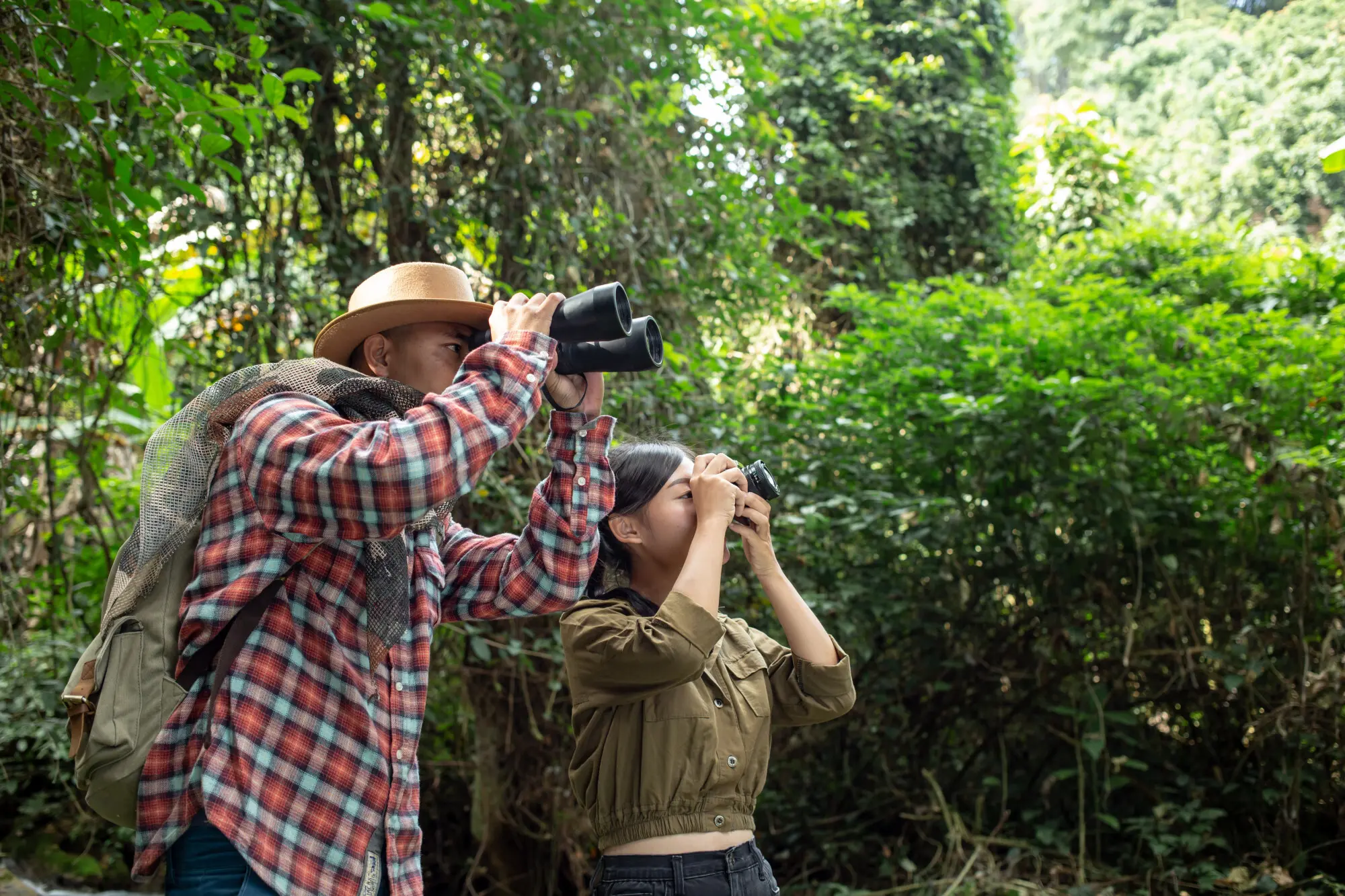
8x or 10x compacts with wide fields help you acquire subjects fast; image stabilization rescues detail when rails chatter. Fit a neck strap short to avoid swinging, and practice passing binoculars hand‑to‑hand. Label lens caps so they return quickly, and set diopters beforehand, freeing precious seconds when antlers flash or a fin surfaces along a tidal reach.

Camera Settings That Survive Tunnels, Shadows, and Sudden Appearances

Use aperture priority with auto‑ISO and a minimum shutter speed tailored to track roughness. Pre‑dial exposure compensation for snowfields or bright water. Back‑button focus prevents hunting through glass; continuous AF helps with panning. Keep a fast prime ready for low light, and rehearse mode switches so you never fumble when a bear explodes from alders beside a culvert.
Stories from the Glass: Field Notes from Scenic Railways
Real journeys teach fast. Along Alaska’s coast, riders whisper landmarks while scanning mudflats for belugas. In the Canadian Rockies, sudden shouts of “goat!” ripple through domes as specks turn into nimble climbers. Swiss valleys test patience until marmots sprint between stones. Collect these lessons, adapt them to your route, and pass them along so the next car cheers sooner.

Etiquette, Accessibility, and Shared Joy in a Moving Observatory

A shared cabin thrives on respect. Clear the glass, rotate prime spots, and signal intentions before moving. Keep voices low during tense moments so others can hear animal sounds or guide commentary. Accommodate children and passengers with mobility or sensory needs by planning rotations, reserving easier aisles, and building a cooperative culture where the best view becomes a group victory.

Window Manners: Rotations, Kneeling Protocols, and Hands-Off Glass

Agree on short turns at prime panes during hotspots, and kneel rather than stand when others are seated behind you. Keep palms and jackets off the glass to prevent smears that ruin contrast. When excitement surges, narrate briefly, step back deliberately, and guide newcomers forward, proving that courtesy and sightings can rise together like sunlight across a widening valley.

Inclusive Viewing: Seats, Aisles, and Assistance for Different Needs

Reserve near‑aisle positions with good sightlines for travelers using mobility aids, and pre‑arrange gentle seat swaps near key habitats. Offer soft earplugs for sensory comfort during tunnels and horns. Coordinate with staff about lift access and door timings. A few thoughtful adjustments transform moving glass rooms into welcoming observatories where every hand signal, smile, and gasp belongs equally.

Building Community: Sightings Logbooks, Hashtags, and Post-Trip Sharing

Place a small shared log near the snack counter so passengers can jot mileposts, species, and light conditions. Encourage a discreet hashtag that celebrates cooperation over competition. After arrival, compile highlights and send a thank‑you thread to the operator and crew. These rituals strengthen goodwill, boost future collaboration, and often unlock insider tips for your next rolling adventure.

Booking Like a Pro: Reservations, Upgrades, and Flexible Plans

Preparation begins months ahead. Compare railcar types, seat maps, and rotation policies, then decide whether to purchase dome access, observation upgrades, or flexibility instead. Monitor seasonal wildlife calendars and weather windows. Build itineraries that permit side swaps at intermediate stops, and pad schedules so poor light or storms do not erase opportunities. Smart bookings create room for serendipity to flourish.