Ride the Seasons: Witness Wildlife Migrations by Rail
Welcome aboard a journey designed to match the rhythms of the natural world. This guide explores the best rail routes for seasonal wildlife migrations, showing where steel tracks intersect with timeless animal movements. From northern tundra to sunlit deltas, discover low-impact vantage points, practical timing, and moving-window photography tips that turn a seat reservation into a front‑row experience. Stay curious, ask questions, and share sightings so fellow travelers can refine plans, protect corridors, and celebrate life on the move.

Build a Moving Calendar

Sketch an annual wheel that tracks peak movements across regions, noting early and late pulses to avoid missing action when seasons misbehave. Consider hemispheres, monsoons, spring melt, and drought cycles, then map those windows onto practical rail links. Add buffer days at migration edges, and remember shoulder weeks often mean fewer crowds, richer encounters, and golden light. Keep adjusting with fresh reports from ranger stations, stationmasters, and bird observatories.

Read the Railway Like a Field Guide

Rail lines trace river valleys, escarpments, marsh edges, and mountain passes where wildlife funnels naturally. Study route profiles, bridge crossings, and embankments, because bottlenecks concentrate movement. Identify stations near roosts, salt licks, or estuaries, then plan stops to greet dusk flights or dawn crossings. Window orientation matters too: note sun angles and curve directions so you sit on the side offering unobstructed views, minimal glare, and safe photo opportunities without blocking fellow passengers.

Listen to Rangers, Conductors, and Elders

The most reliable intelligence often comes from people who witness changes daily. Conductors know where herds linger near cuttings; rangers monitor corridors; local elders remember decades of shifts. Ask respectfully, share your schedule, and accept that protection sometimes requires secrecy. When told to avoid specific spots, follow directions without question. Offer thanks, donate to corridor projects, and report sightings responsibly, strengthening a living network that helps both travelers and migrating animals thrive.
Arctic and Subarctic Windows

At high latitudes, movement is written across ice margins and open tundra. Trains thread fjords, muskeg, and boreal forests, crossing paths with caribou herds, reindeer, polar bears, and swirling seabirds. Weather can flip scenes from clear brilliance to snow‑blown minimalism in minutes, but windows still reveal stories: tracks on drifts, owl silhouettes, or belugas riding tide lines. Pack warm layers, protect cameras from condensation, and savor long twilight that stretches observation time far beyond temperate expectations.

Europe’s Flyways by the Rails

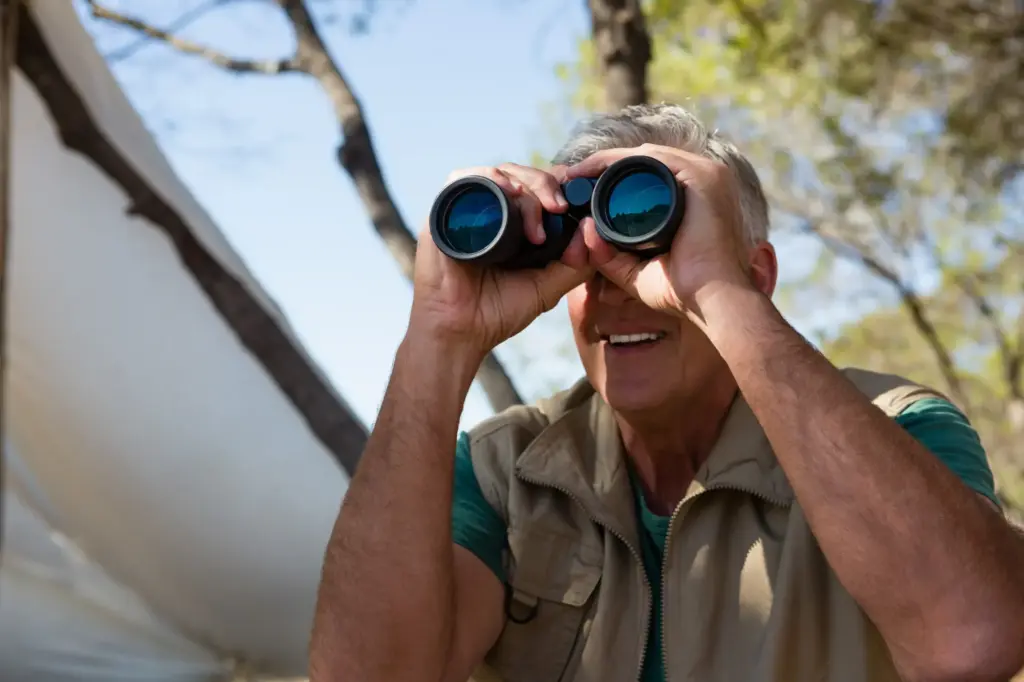
Across Europe, trains hug coasts, estuaries, and highland passes where birds funnel and deer descend. Autumn cranes drum skies above reedy lagoons, spring geese paint arrowed lines, and Highland glens echo during the red deer rut. With punctual timetables and dense networks, rail becomes a superb way to catch twilight spectacles, then roll into villages serving soup, stories, and starling murmurations. Bring binoculars, a pocket field guide, and curiosity; the continent’s flyways reward attentive travelers generously.

JR Senmō Line across Kushiro Marsh, Japan
Winter along the Senmō Line delivers red‑crowned cranes performing courtship dances on mist‑edged wetlands, their calls ringing through frosted reeds. Trains slide past watchpoints near Tsurui, and seasonal steam excursions add cinematic charm. Sit on the marsh side, wear muted layers, and keep lenses pressed to glass to reduce reflections. After disembarking, visit sanctuaries supporting year‑round research and community education, ensuring future travelers will continue witnessing these unforgettable, snow‑bright rituals of fidelity and survival.

Assam Corridor Trains, India

In Assam, rail meets elephant landscapes. Sections near Guwahati pass wetlands like Deepor Beel, where migratory waterfowl gather spectacularly in winter. Corridors now feature speed controls, underpasses, and monitoring to reduce collisions; celebrate and respect these safeguards. View only from designated areas, never lure animals, and embrace indirect observation. Plan dawn departures, carry lightweight binoculars, and connect with local conservation groups whose alerts help travelers time visits without increasing risk for elephants sharing this essential lifeway.

African Movements Along the Tracks

Africa’s railways intersect vast savannas, miombo woodlands, and coastal flyways where animals track rain lines and winds. Though services can be irregular, patience rewards travelers with elephant processions, soaring raptors, and antelope threading tawny grass. Some modern corridors add wildlife bridges and fencing to reduce conflict, reminding riders that rail can protect as well as connect. Arrive early, carry extra water, and share seats generously—many routes double as lifelines for communities and the wild neighbors moving beside them.

Gear, Etiquette, and Capturing the Moment

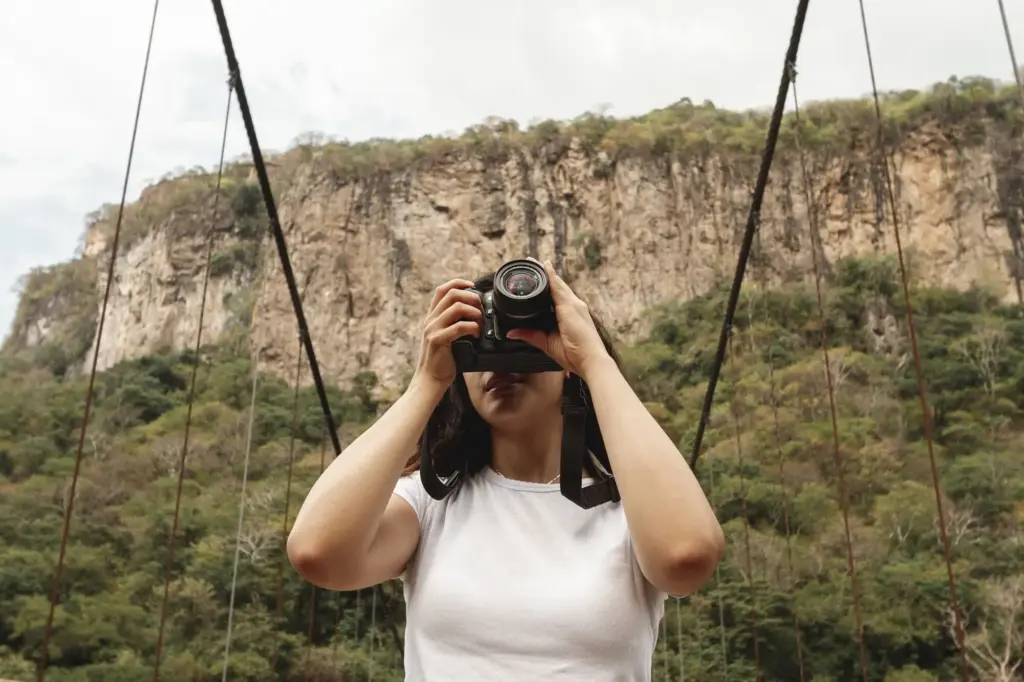
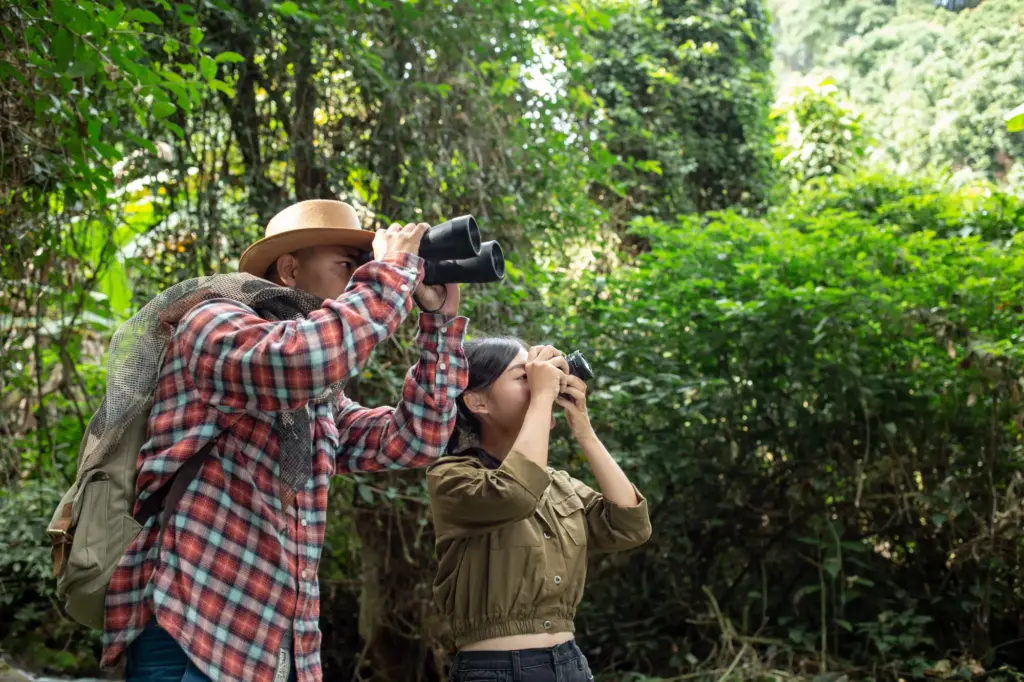
Good preparation elevates every mile. Window seats, layered clothing, and a small kit—binoculars, polarizing filter, lens cloth, notebook, spare batteries—transform fleeting shapes into lasting memories. Speak softly, share windows graciously, and log sightings with timestamps and GPS notes. Clean glass only with permission, never lean outside, and keep aisles clear. If this guide helps you plan, subscribe, ask questions, and post your routes and photos, strengthening a welcoming community of rail‑riders who protect corridors through joyful attention.